
 Image 1 of 3
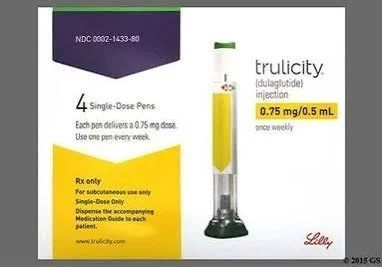 Image 2 of 3
 Image 3 of 3
Trulicity Trulicity (dulaglutide) is a prescription medication used to improve blood sugar control in adults with type 2 diabetes. It belongs to a class of drugs called GLP-1 receptor agonists, which work by stimulating insulin release when blood sugar is high, reducing the amount of glucose produced by the liver, and slowing gastric emptying. Key points - Indication: Approved for adults with type 2 diabetes as an adjunct to diet and exercise. It is not indicated for type 1 diabetes or for treating diabetic ketoacidosis. - Formulation and dosing: Trulicity is given as a once-weekly subcutaneous injection. Several dose strengths are available; dosing is individualized by a healthcare provider. - Benefits: Can lower A1C and often promotes weight loss or prevents weight gain compared with some other diabetes medications. Once-weekly dosing can improve convenience and adherence. - Common side effects: Nausea, vomiting, diarrhea, abdominal pain, decreased appetite, and indigestion. Side effects often lessen over time. - Serious risks and precautions: - Pancreatitis: Seek immediate medical attention for severe abdominal pain, sometimes radiating to the back, with or without vomiting. - Thyroid C-cell tumors: In animal studies, GLP-1 receptor agonists caused thyroid C‑cell tumors. The risk in humans is unknown. Trulicity is contraindicated in patients with a personal or family history of medullary thyroid carcinoma (MTC) or in patients with Multiple Endocrine Neoplasia syndrome type 2 (MEN2). - Hypersensitivity reactions: Discontinue and seek care if signs of serious allergic reaction occur. - Kidney function: Dehydration from gastrointestinal side effects can lead to or worsen kidney problems. - Pancreatic enzyme elevations have been reported. - Drug interactions: Review all medications with your prescriber; no major common drug interactions prevent its use, but adjustments may be needed for other glucose-lowering medications to reduce hypoglycemia risk. - Use with insulin or insulin secretagogues: Increased risk of hypoglycemia when combined with sulfonylureas or insulin; dose adjustment of the concomitant agent may be needed. - Contraindications: Known hypersensitivity to dulaglutide or any component of the product; history of MTC or MEN2. - Monitoring: A1C, renal function if clinically indicated, and clinical response. Monitor for gastrointestinal adverse effects and signs of pancreatitis or thyroid disease. - Pregnancy and breastfeeding: Limited human data. Use in pregnancy only if clearly needed and after risk–benefit discussion. Advise breastfeeding women to consult their healthcare provider. - Storage and handling: Store unopened pens in the refrigerator. Once in use, storage instructions vary by brand/label—follow the prescribing information and packaging. Talk to your healthcare provider to determine if Trulicity is appropriate for you, to review dosing, discuss potential benefits and risks, and to arrange appropriate monitoring. If you experience severe side effects such as severe abdominal pain, signs of allergic reaction, or sudden worsening of kidney function, seek medical attention promptly.
Trulicity Trulicity (dulaglutide) is a prescription medication used to improve blood sugar control in adults with type 2 diabetes. It belongs to a class of drugs called GLP-1 receptor agonists, which work by stimulating insulin release when blood sugar is high, reducing the amount of glucose produced by the liver, and slowing gastric emptying. Key points - Indication: Approved for adults with type 2 diabetes as an adjunct to diet and exercise. It is not indicated for type 1 diabetes or for treating diabetic ketoacidosis. - Formulation and dosing: Trulicity is given as a once-weekly subcutaneous injection. Several dose strengths are available; dosing is individualized by a healthcare provider. - Benefits: Can lower A1C and often promotes weight loss or prevents weight gain compared with some other diabetes medications. Once-weekly dosing can improve convenience and adherence. - Common side effects: Nausea, vomiting, diarrhea, abdominal pain, decreased appetite, and indigestion. Side effects often lessen over time. - Serious risks and precautions: - Pancreatitis: Seek immediate medical attention for severe abdominal pain, sometimes radiating to the back, with or without vomiting. - Thyroid C-cell tumors: In animal studies, GLP-1 receptor agonists caused thyroid C‑cell tumors. The risk in humans is unknown. Trulicity is contraindicated in patients with a personal or family history of medullary thyroid carcinoma (MTC) or in patients with Multiple Endocrine Neoplasia syndrome type 2 (MEN2). - Hypersensitivity reactions: Discontinue and seek care if signs of serious allergic reaction occur. - Kidney function: Dehydration from gastrointestinal side effects can lead to or worsen kidney problems. - Pancreatic enzyme elevations have been reported. - Drug interactions: Review all medications with your prescriber; no major common drug interactions prevent its use, but adjustments may be needed for other glucose-lowering medications to reduce hypoglycemia risk. - Use with insulin or insulin secretagogues: Increased risk of hypoglycemia when combined with sulfonylureas or insulin; dose adjustment of the concomitant agent may be needed. - Contraindications: Known hypersensitivity to dulaglutide or any component of the product; history of MTC or MEN2. - Monitoring: A1C, renal function if clinically indicated, and clinical response. Monitor for gastrointestinal adverse effects and signs of pancreatitis or thyroid disease. - Pregnancy and breastfeeding: Limited human data. Use in pregnancy only if clearly needed and after risk–benefit discussion. Advise breastfeeding women to consult their healthcare provider. - Storage and handling: Store unopened pens in the refrigerator. Once in use, storage instructions vary by brand/label—follow the prescribing information and packaging. Talk to your healthcare provider to determine if Trulicity is appropriate for you, to review dosing, discuss potential benefits and risks, and to arrange appropriate monitoring. If you experience severe side effects such as severe abdominal pain, signs of allergic reaction, or sudden worsening of kidney function, seek medical attention promptly.